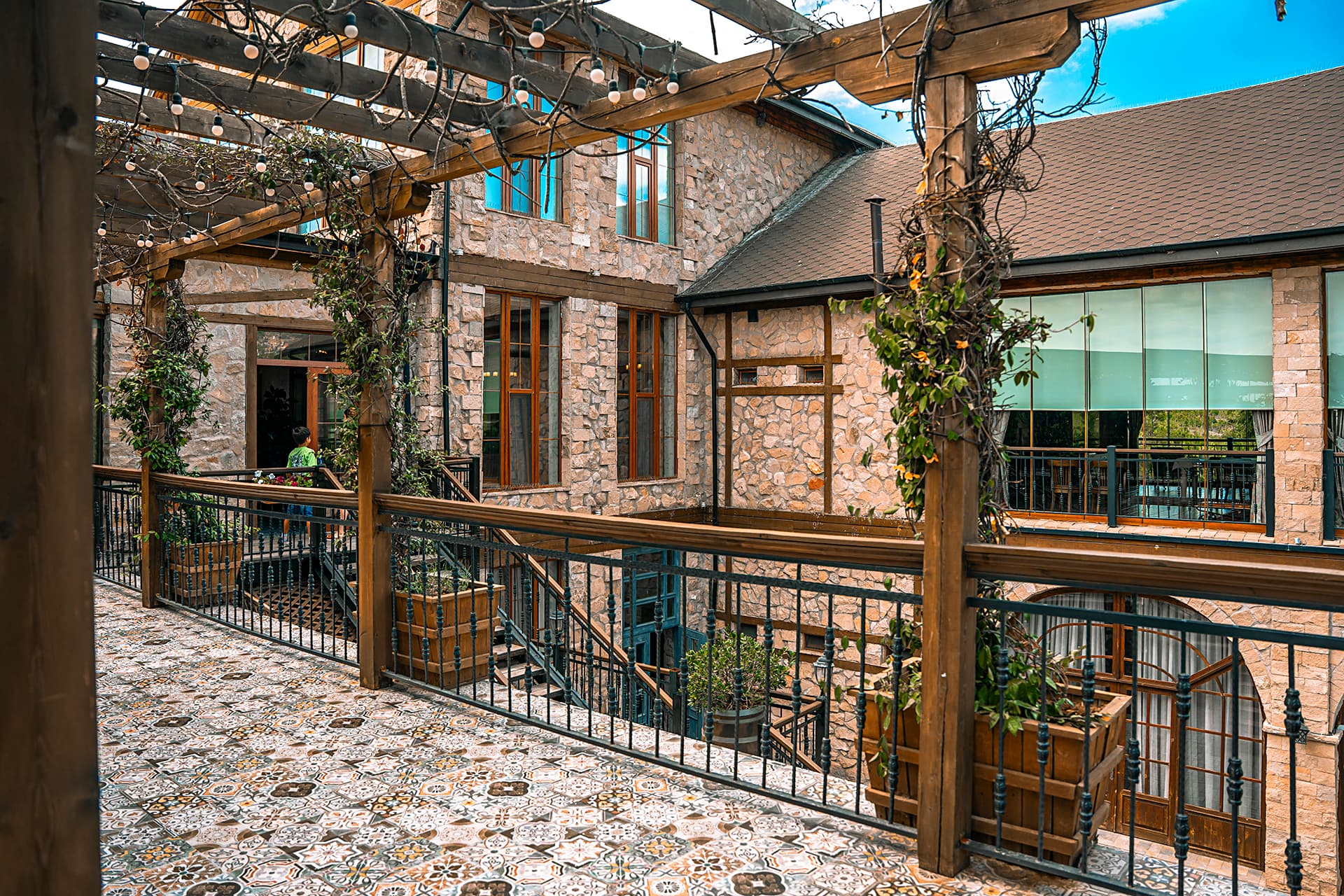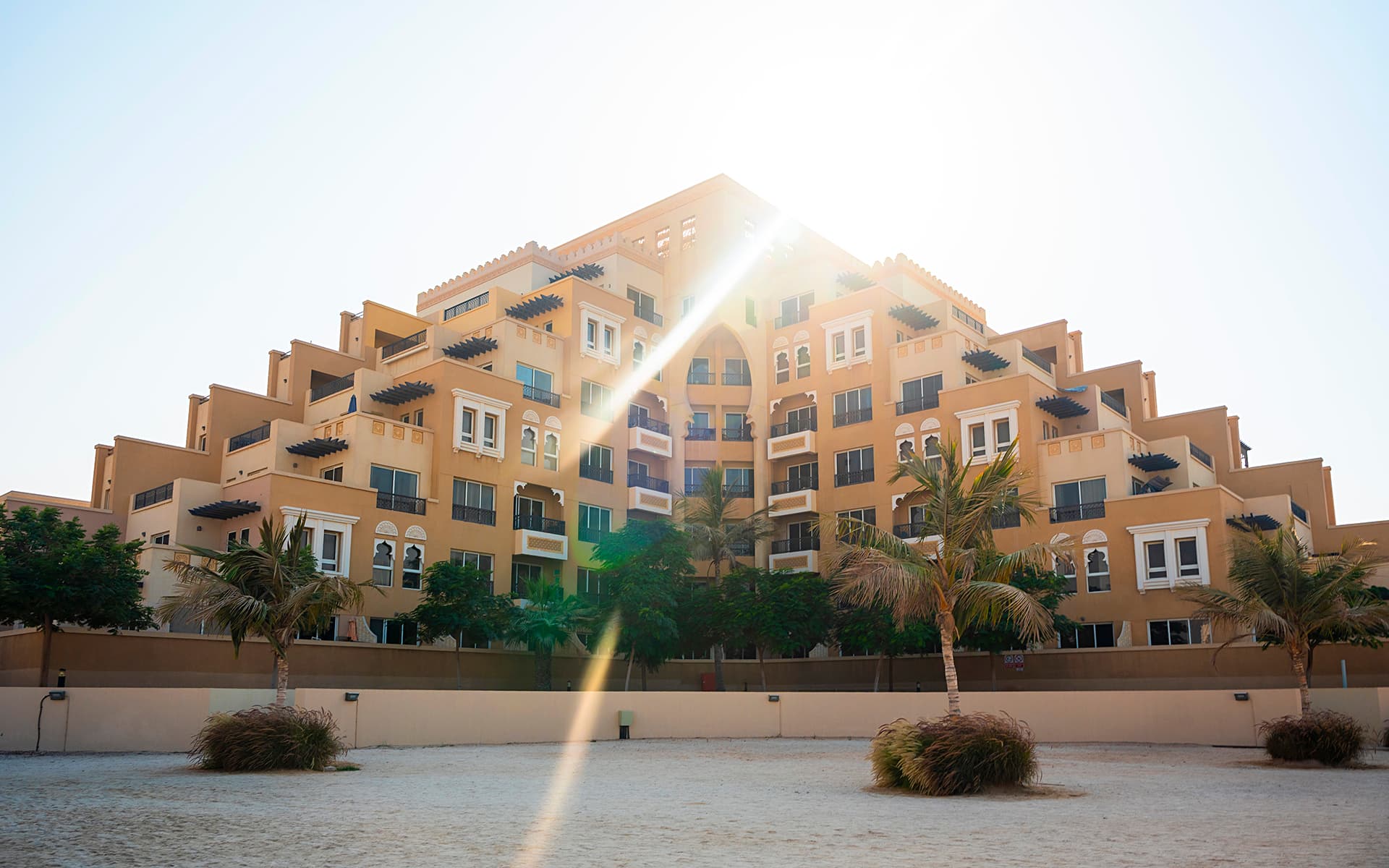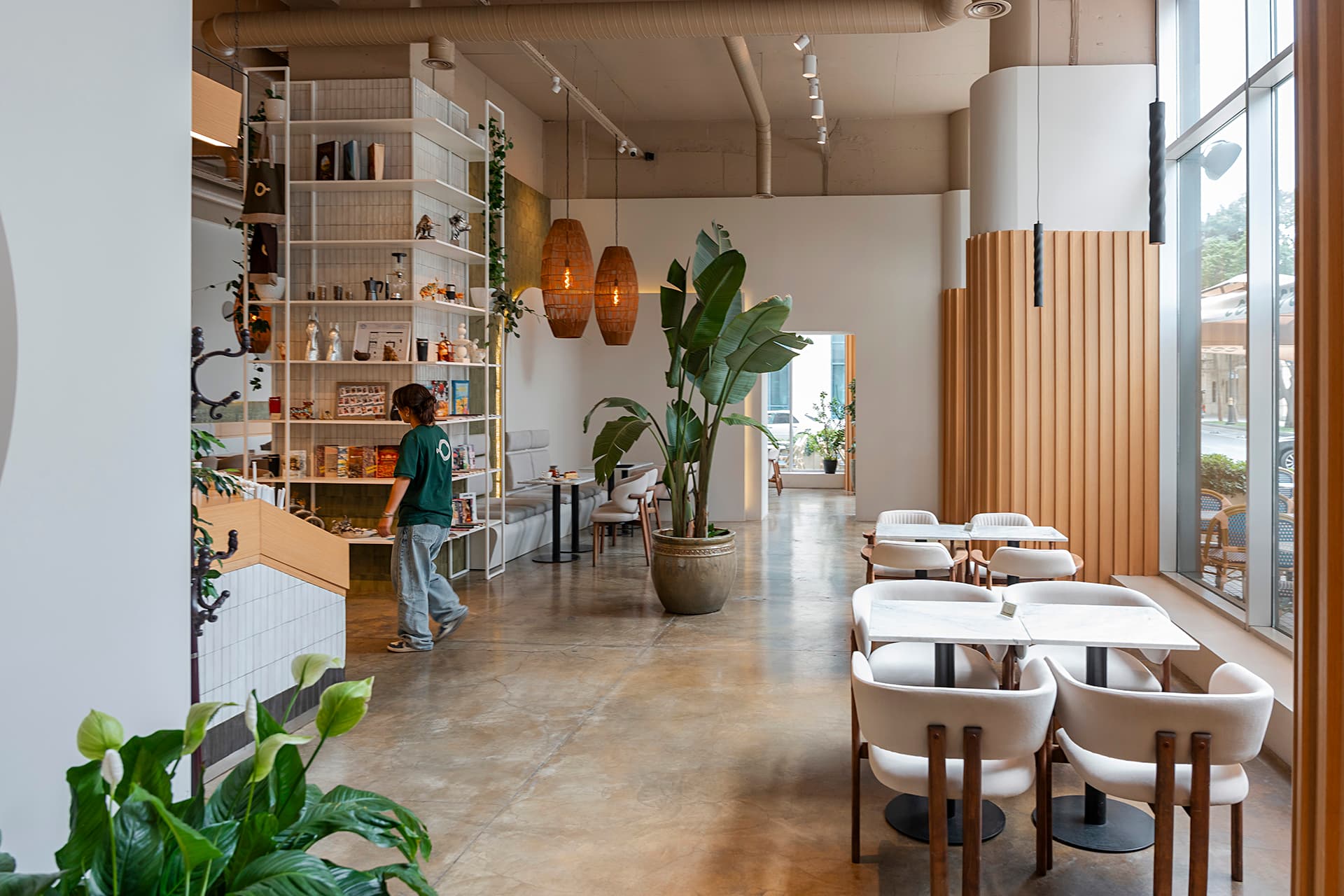
People often ask why my architectural photographs are devoid of human presence. In hospitality and commercial spaces designed explicitly for people, the absence of figures can seem like a strange choice. But for me, this emptiness is essential to what I am trying to communicate.
Space as Subject
When people appear in architectural photographs, they inevitably become the subject. Our eyes are trained to seek human faces and forms. A figure in the frame, no matter how small or peripheral, draws attention and creates narrative. The space becomes backdrop rather than subject.
My work is fundamentally about the space itself. The volumes, proportions, materials, light. The intentions of the architect and designer. The character that emerges from these elements in combination. Introducing human figures would shift the conversation from "what is this space" to "what are these people doing in this space." The question changes entirely.
Invitation Through Absence
Empty spaces in photography function as an invitation. They allow viewers to project themselves into the frame, to imagine their own presence in the space. A room populated with specific people tells a specific story. An empty room tells infinite potential stories.
This is particularly important in commercial work. A hotel client wants potential guests to envision themselves in the suite. A restaurant wants diners to imagine their own celebration in the dining room. The absence of others makes this imaginative projection possible. Paradoxically, emptiness creates emotional connection.
There is also honesty in this approach. These are not documentary photographs of spaces in use. They are portraits of spaces in their ideal state, offered for consideration and appreciation. Attempting to simulate use through posed models or staged activity would be artificial, a kind of visual fiction that does not interest me.
The Exception That Proves the Rule
Occasionally, I do include evidence of human presence. A book left open on a side table. A pair of glasses beside an espresso cup. Fresh flowers in a vase. These subtle signs suggest habitation without depicting it, they add warmth without distraction.
The key is subtlety and intentionality. Each element must serve the photograph rather than dominate it. A carefully placed object can suggest comfort and lived experience while keeping the focus on the architecture and design. It is a delicate balance, one that requires constant judgment and restraint.
Photographing empty spaces is not about sterility or coldness. It is about clarity and respect. Clarity about what the photograph aims to communicate. Respect for the space as the primary subject, and respect for viewers, allowing them room to bring their own interpretation and imagination to what they see.