Contemporary interior design is increasingly defined by material authenticity—the honest expression of natural textures, raw finishes, and tactile surfaces. As photographers, our role is to capture not just the visual appearance of these materials, but their physical presence and character.
The Tactile Quality of Materials
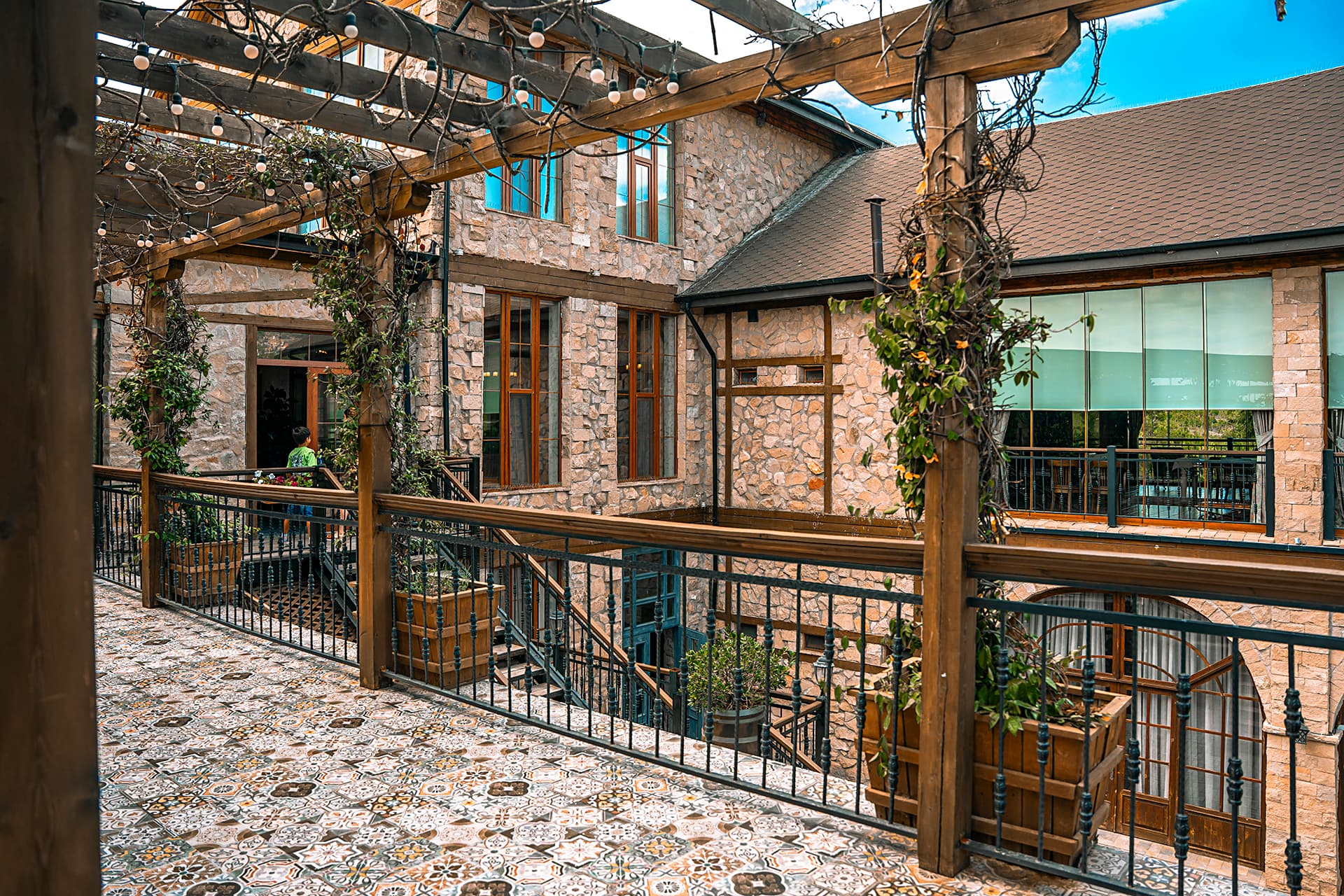
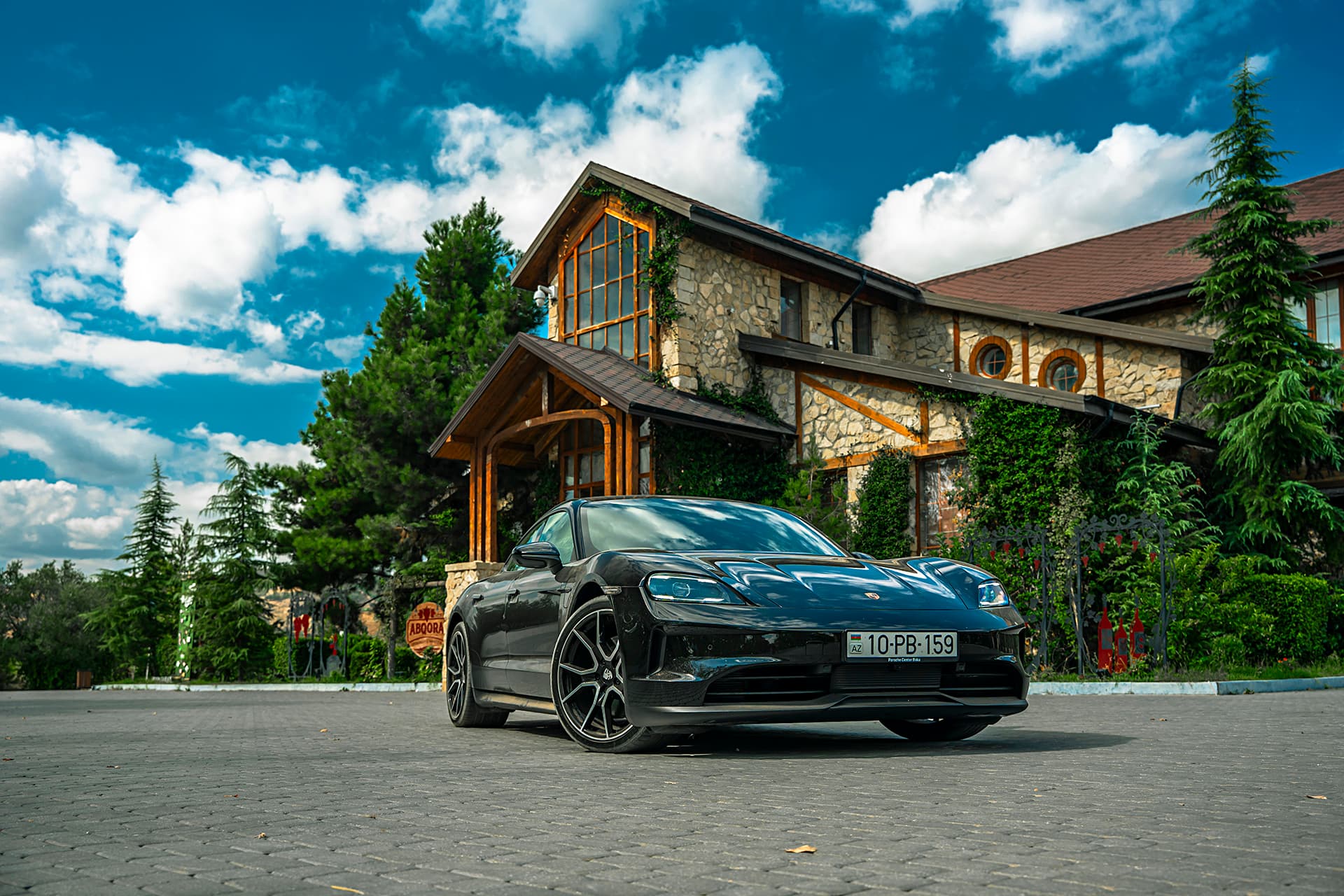
Stone, wood, concrete, metal, glass—each material has a unique surface quality that affects how light interacts with it. Polished marble reflects light sharply, creating highlights and reflections. Rough-hewn limestone absorbs light, revealing subtle color variations and fossil patterns. Our photography must capture these distinctions.
We use careful lighting angles to emphasize texture. Raking light—positioned at a low angle to the surface—reveals every grain in wood flooring, every trowel mark in plaster walls, every variation in natural stone. This technique transforms flat surfaces into landscapes of texture and detail.
Authenticity in Architectural Photography
The trend toward material honesty reflects a broader cultural shift—a rejection of artifice in favor of genuine expression. Exposed concrete, untreated wood, weathered metal, and raw stone are celebrated for their imperfections and unique characteristics. These materials tell stories of their origin, manufacture, and installation.
In photographing these spaces, we avoid over-processing that would diminish material authenticity. Colors remain true to the actual space. Textures are enhanced through lighting rather than post-production sharpening. The goal is faithful representation that honors the designer's material choices and the craftsperson's execution.
Balancing Multiple Surface Types
Contemporary interiors often feature dramatic material contrasts—smooth glass against rough stone, polished metal beside raw wood. These juxtapositions create visual interest and spatial definition. Our photography must balance these contrasting surfaces, ensuring each material reads clearly without one dominating the others.
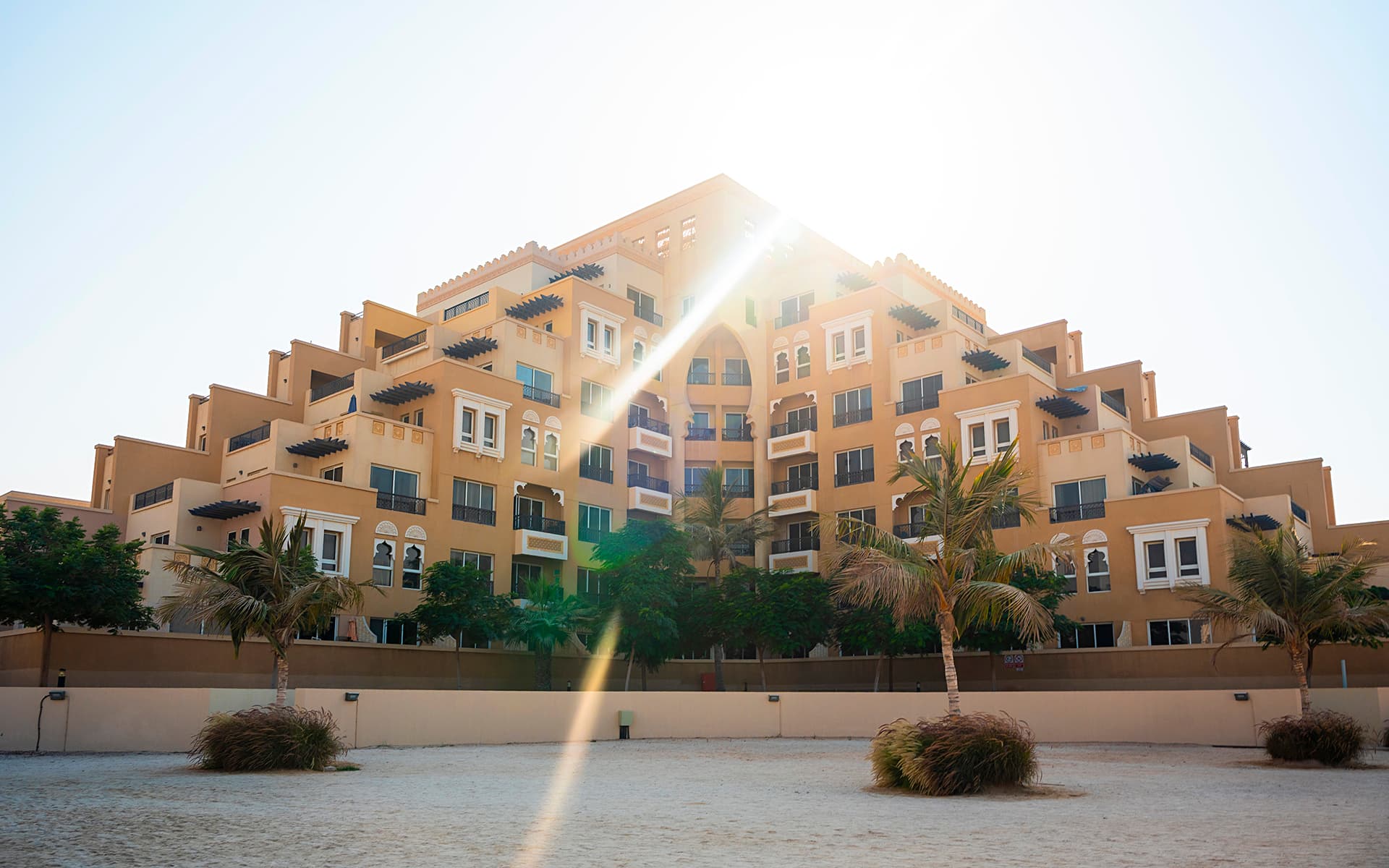
This requires precise exposure control and often multiple exposures blended together. We capture the full dynamic range from the darkest recesses of a timber ceiling to the bright reflection off a glass facade, ensuring every material is represented accurately.
Material photography is about respect—for the designer's vision, the craftsperson's skill, and the material's inherent qualities. By capturing textures with honesty and precision, we create images that communicate not just the appearance of a space, but its physical presence and tactile reality.