Light isn't just illumination, it's the primary tool we use to define space, create mood, and reveal architectural intention. In interior photography, understanding how light moves through a space is fundamental to capturing its essence.
Natural Light as Foundation
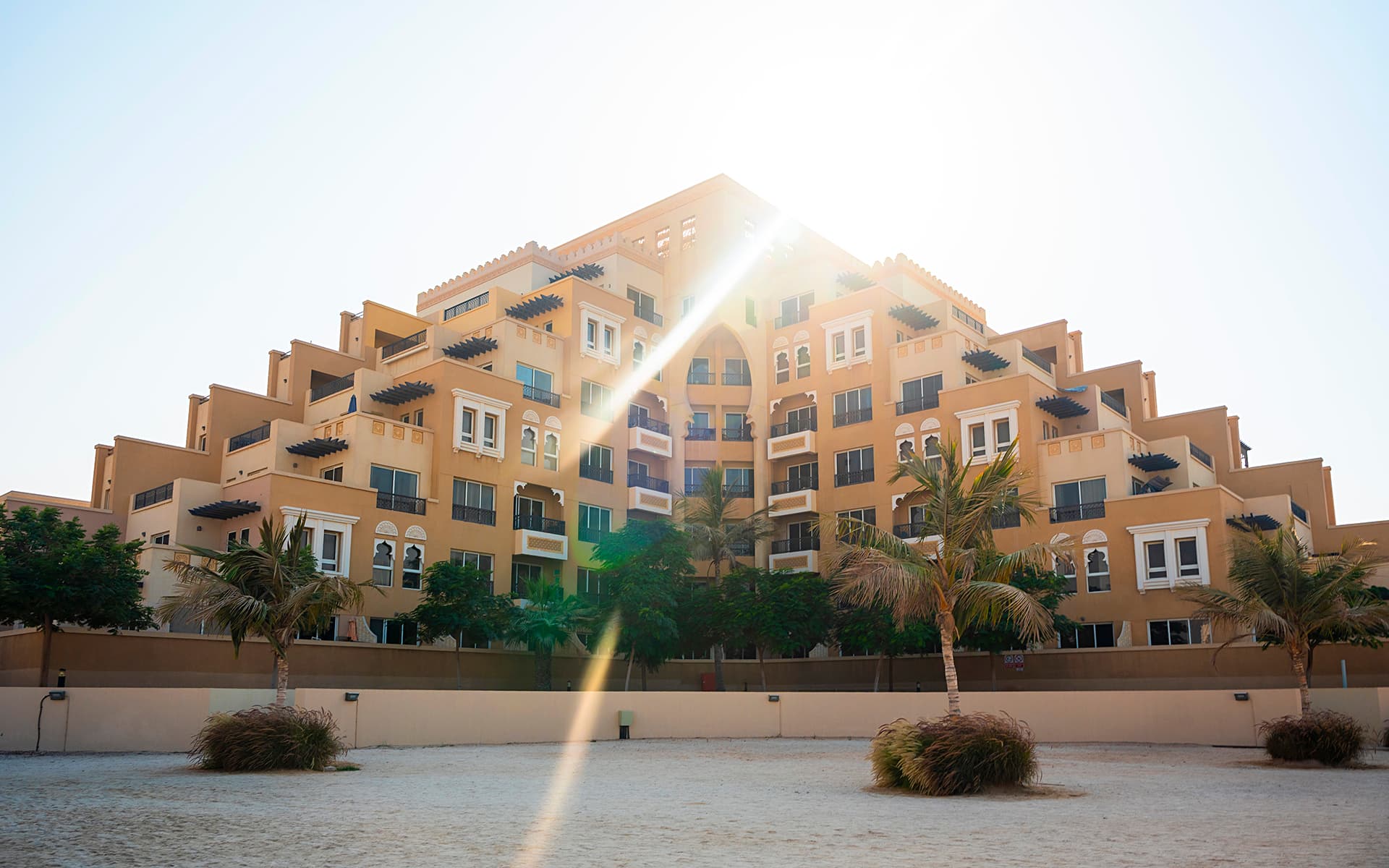
Every shoot begins with observing how natural light enters and moves through the space. We study the direction, quality, and color temperature of daylight at different times. South-facing windows in Dubai create brilliant, warm light that can either enhance or overpower a space depending on the time of day.
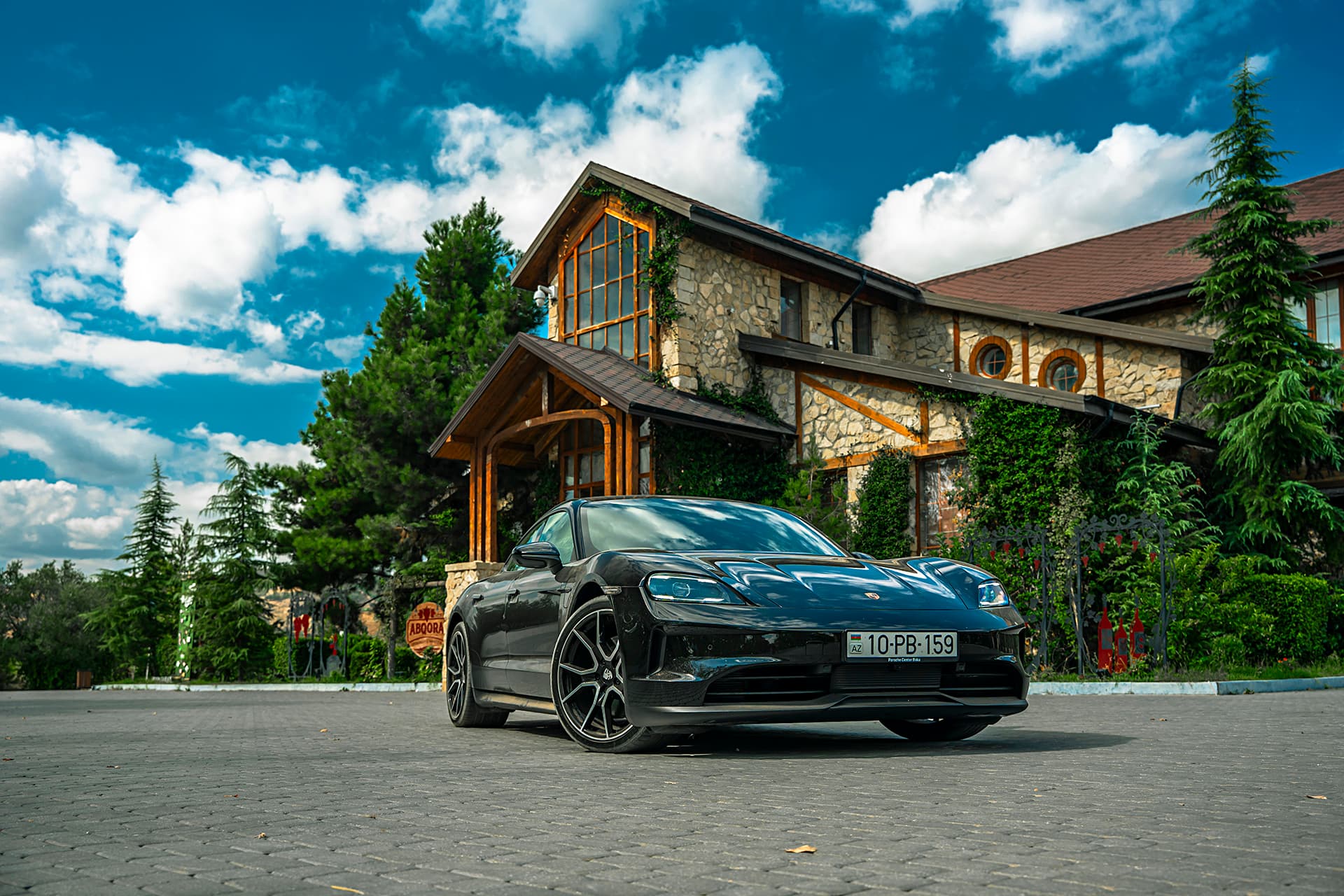
The golden hours—early morning and late afternoon—offer the most dimensional light, creating depth through subtle shadows and highlights. However, we often work during midday when spaces are in use, requiring us to balance harsh overhead sun with strategic artificial lighting.
Layering Artificial Light
Artificial lighting in interior photography isn't about matching ambient light—it's about enhancement. We use off-camera flash and continuous LED panels to fill shadows, highlight textures, and separate spatial planes. Each light source is positioned to complement rather than compete with the existing lighting design.
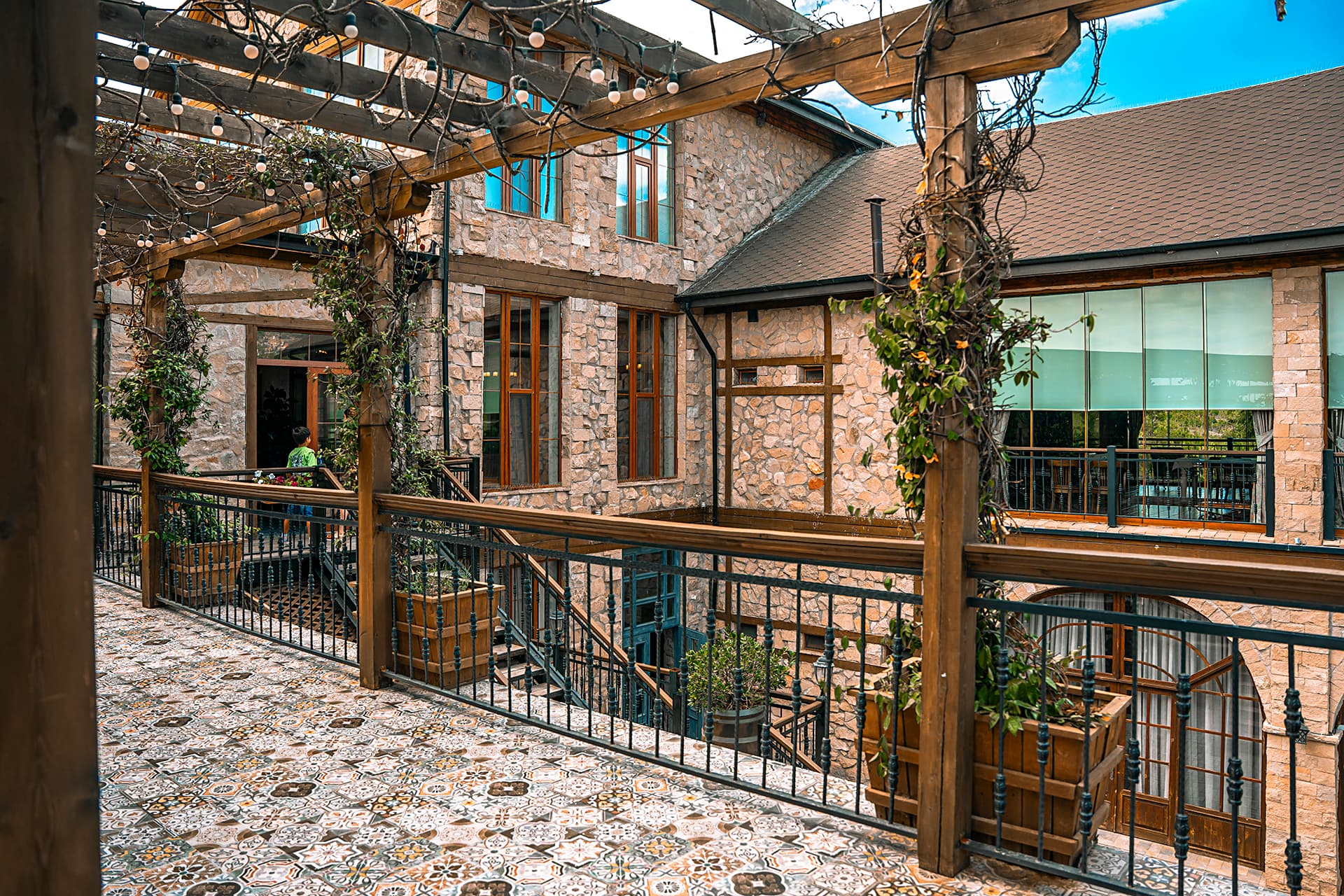
In hospitality spaces like restaurants and hotel lobbies, the existing ambiance is crucial to the space's identity. We preserve the warmth of decorative fixtures while adding subtle fill light to ensure details in darker areas remain visible. The goal is to make our intervention invisible.
Creating Depth Through Contrast
Spatial depth in photography comes from tonal separation—the gradual transition from light to shadow. We deliberately leave some areas darker to create a sense of discovery and dimension. A fully evenly-lit space appears flat and loses the qualities that make it compelling in person.
By controlling the ratio between highlight and shadow, we guide the viewer's eye through the frame, emphasizing architectural features, material textures, and spatial flow. This intentional use of contrast creates images that feel three-dimensional despite being captured on a two-dimensional medium.
Mastering light in interior photography is an ongoing practice. Each space presents unique challenges and opportunities. By treating light as a language—understanding its grammar and learning to speak it fluently—we can reveal the true character and quality of architectural spaces.