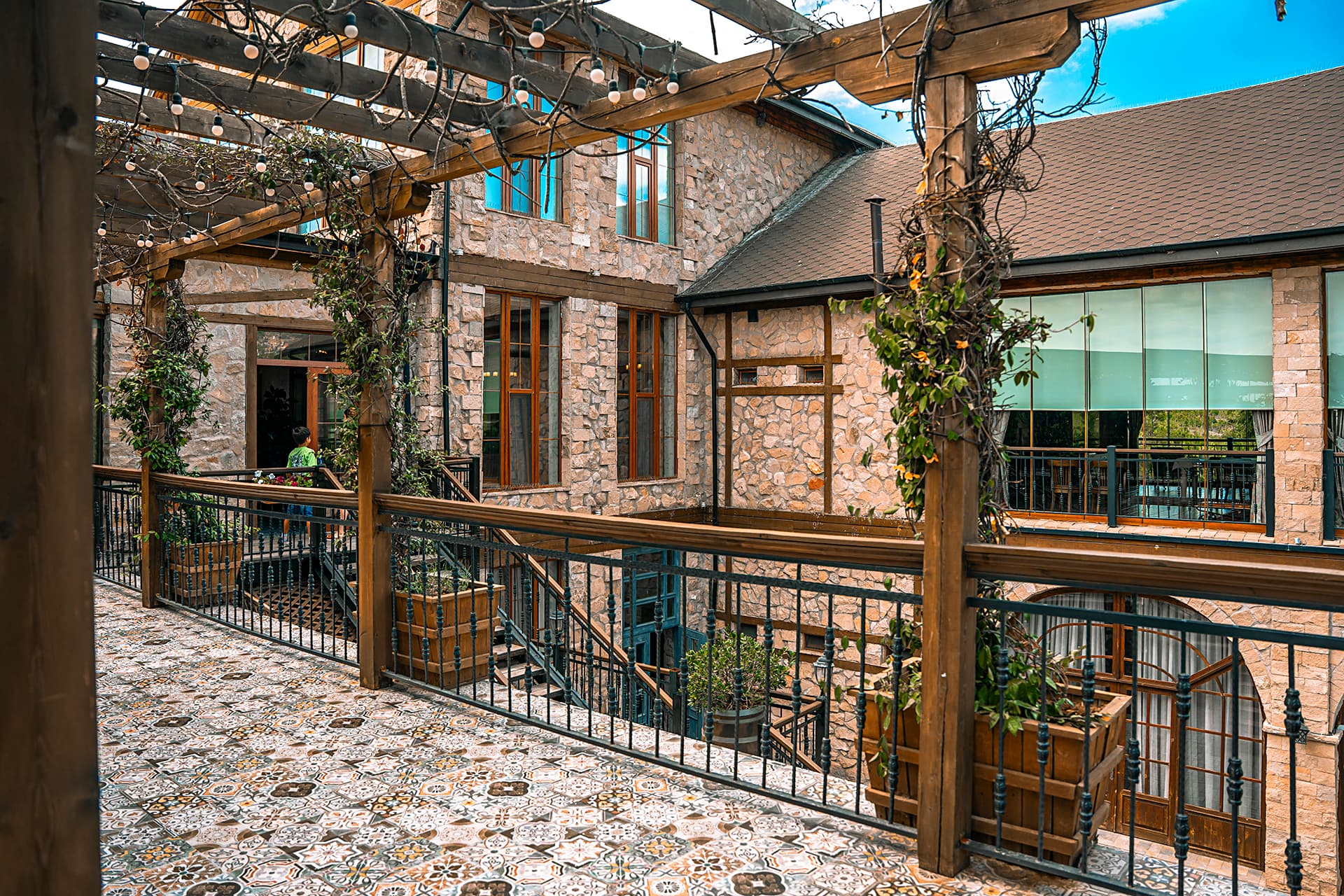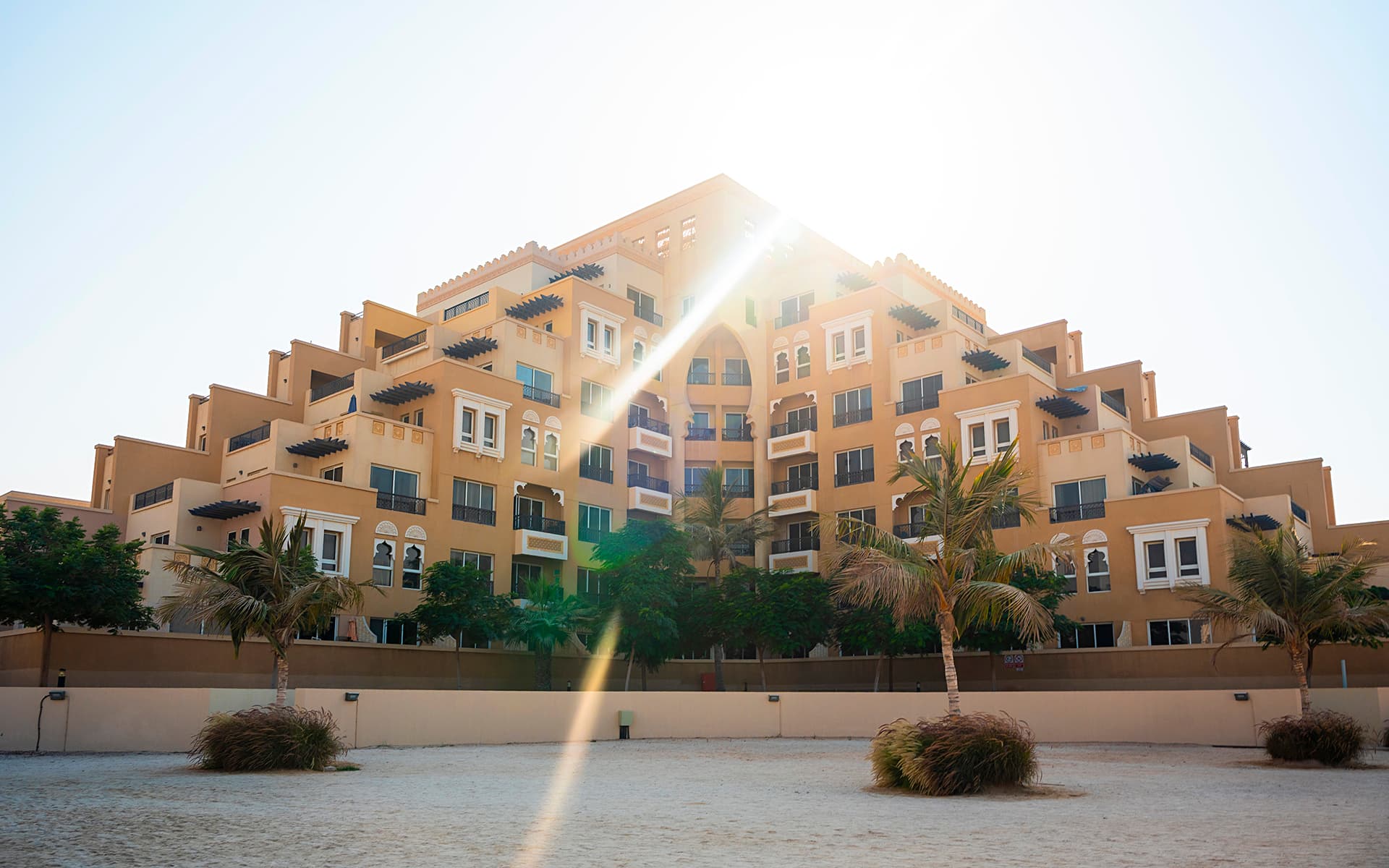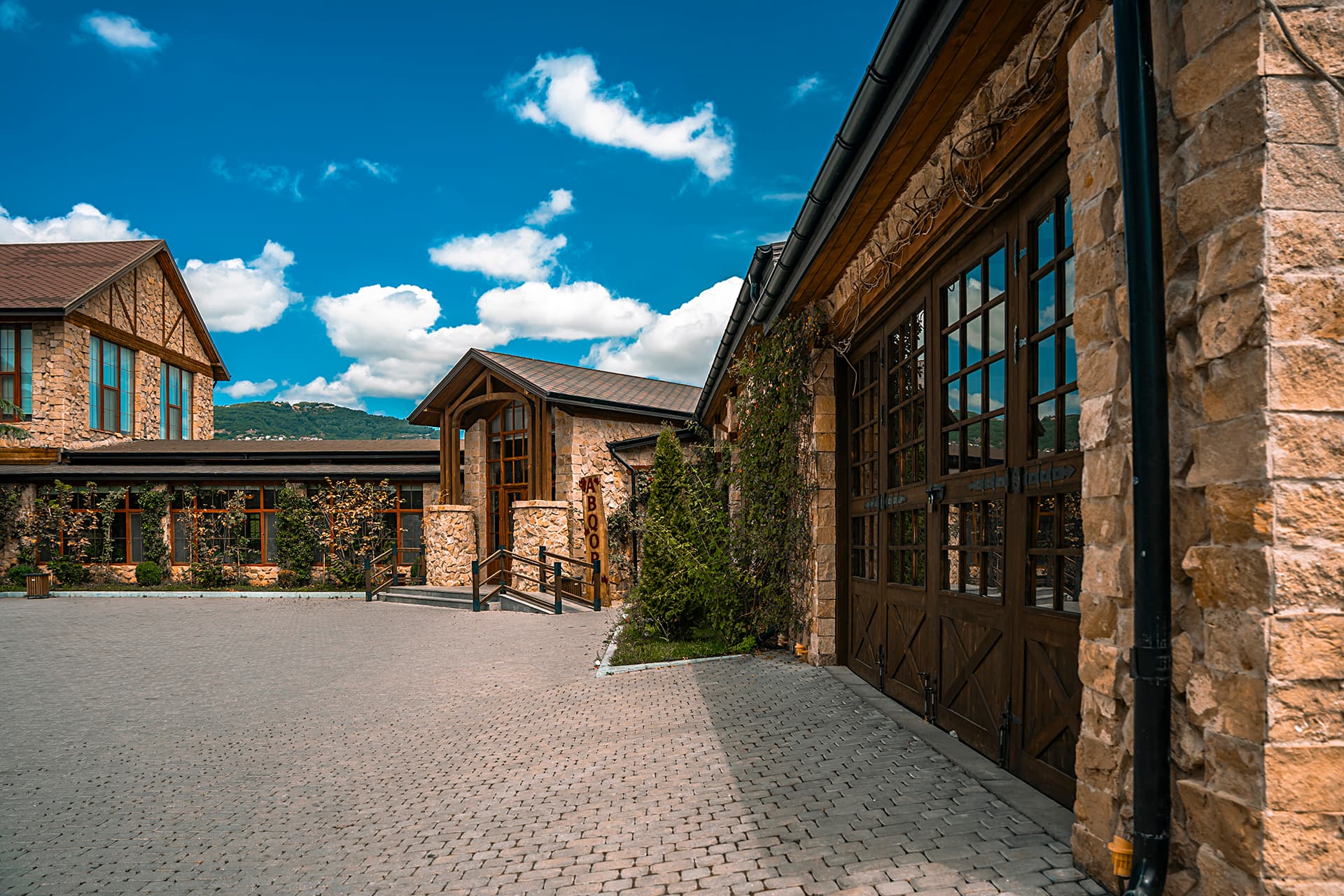
For the first decade of my career, I pursued perfection relentlessly. Every line perfectly aligned. Every surface evenly lit. Every element precisely composed. The results were technically impressive but something essential was missing. It took a long time to understand that perfection in photography can be its own limitation.
The Sterility of Flawlessness
When everything in an image is perfect, the photograph can feel emotionally empty. Too controlled, too manufactured. Real spaces, even beautifully designed ones, have irregularities. A cushion slightly askew. Natural light that creates uneven illumination. Small imperfections that signal habitation and humanity.
I remember a turning point several years ago. I was photographing a luxury residential project and spent hours perfecting every detail. When I showed the client the images, their response was measured. Positive but not enthusiastic. They said the photographs looked beautiful but somehow did not feel like their home. This feedback troubled me deeply.
I returned to the project on my own time and photographed it differently. I allowed natural light to create contrast and shadow. I left certain elements slightly imperfect. I captured moments rather than constructing them. When I showed these new images alongside the original perfect ones, the client immediately responded to the second set. These felt real, they felt like the space they actually lived in and loved.
The Difference Between Clean and Sterile
There is a crucial distinction between a clean, well-composed photograph and a sterile one. Clean means thoughtful, intentional, respectful of the design. Sterile means lifeless, over-controlled, drained of character. The line between them is subtle but significant.
I now approach perfection selectively. Architectural elements like walls, floors, and major sight lines should be precisely aligned. This respects the design intention and provides visual stability. But within that structural clarity, I allow for organic elements. Natural light patterns that create mood even if they create exposure challenges. Small details that suggest use and warmth even if they are not perfectly placed.
This selective perfection requires more skill than absolute control. It means knowing what must be perfect and what benefits from a lighter touch. It means developing judgment about when to intervene and when to allow the space to present itself as it is.
Learning from Japanese Aesthetics
The Japanese concept of wabi-sabi, finding beauty in imperfection and impermanence, has increasingly influenced my work. Not through obvious aesthetic choices but through a shift in mindset. Instead of seeing irregularities as problems to be corrected, I began to see them as potential sources of authenticity and character.
This does not mean accepting sloppiness or ignoring genuine problems. A crooked horizon still needs correction. Distracting clutter still needs removal. But it means being more thoughtful about what constitutes a problem versus what constitutes character. A slightly worn leather chair might add warmth and history rather than diminishing the image. Uneven natural light might create atmosphere rather than being a technical failure to correct.
This approach has made my work both technically more challenging and emotionally more rewarding. It requires constant judgment calls rather than automatic technical perfection. But the resulting images carry more life, more truth, more connection to actual experience.
Perfection in photography is like salt in cooking. Essential but dangerous in excess. The goal is not to abandon technical excellence but to deploy it in service of truth rather than as an end in itself. The best architectural photographs are not flawless. They are true. They show spaces as they deserve to be seen, with both their designed perfection and their lived reality intact. This balance is what I continue to pursue, knowing it is a moving target that shifts with every project and every space.