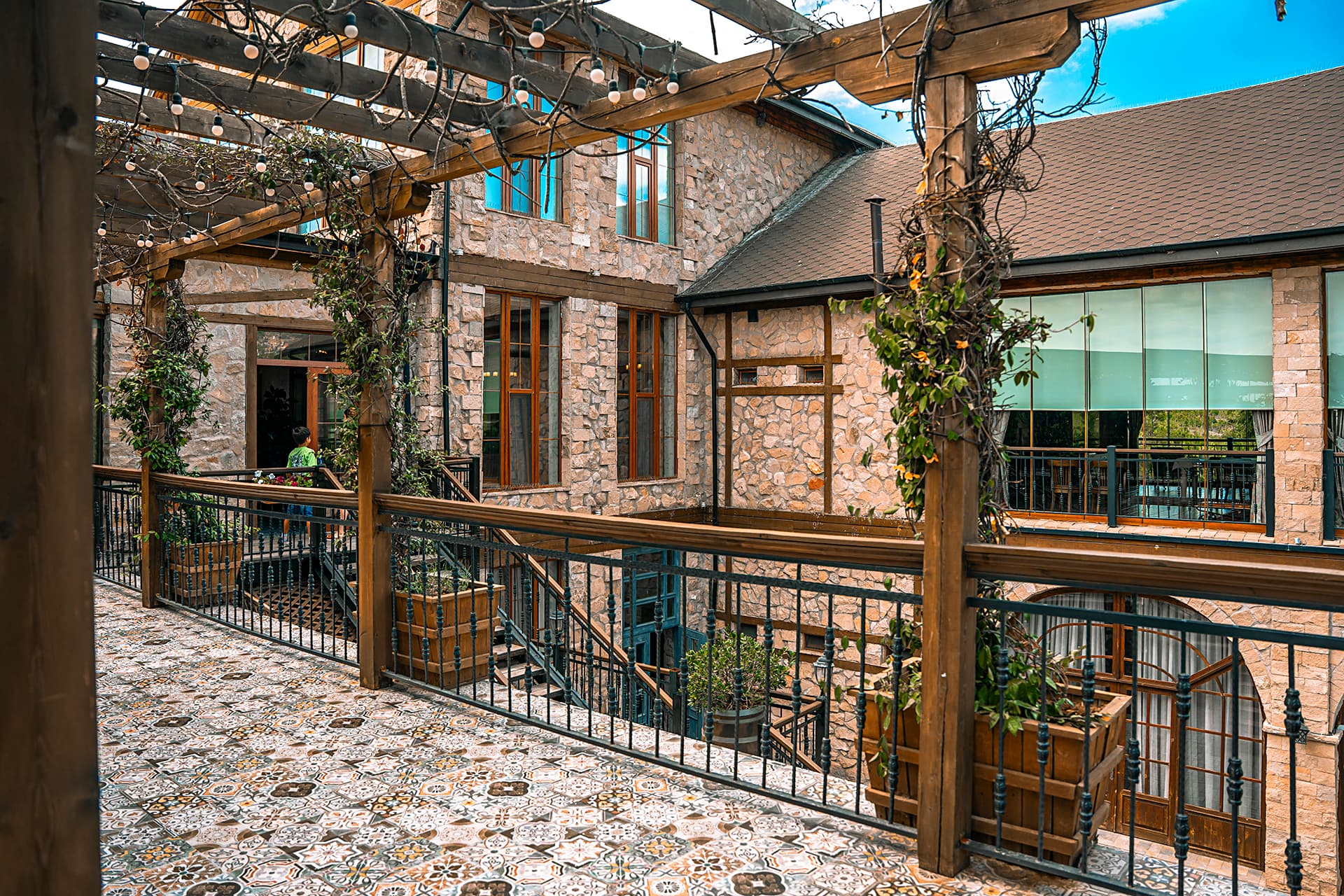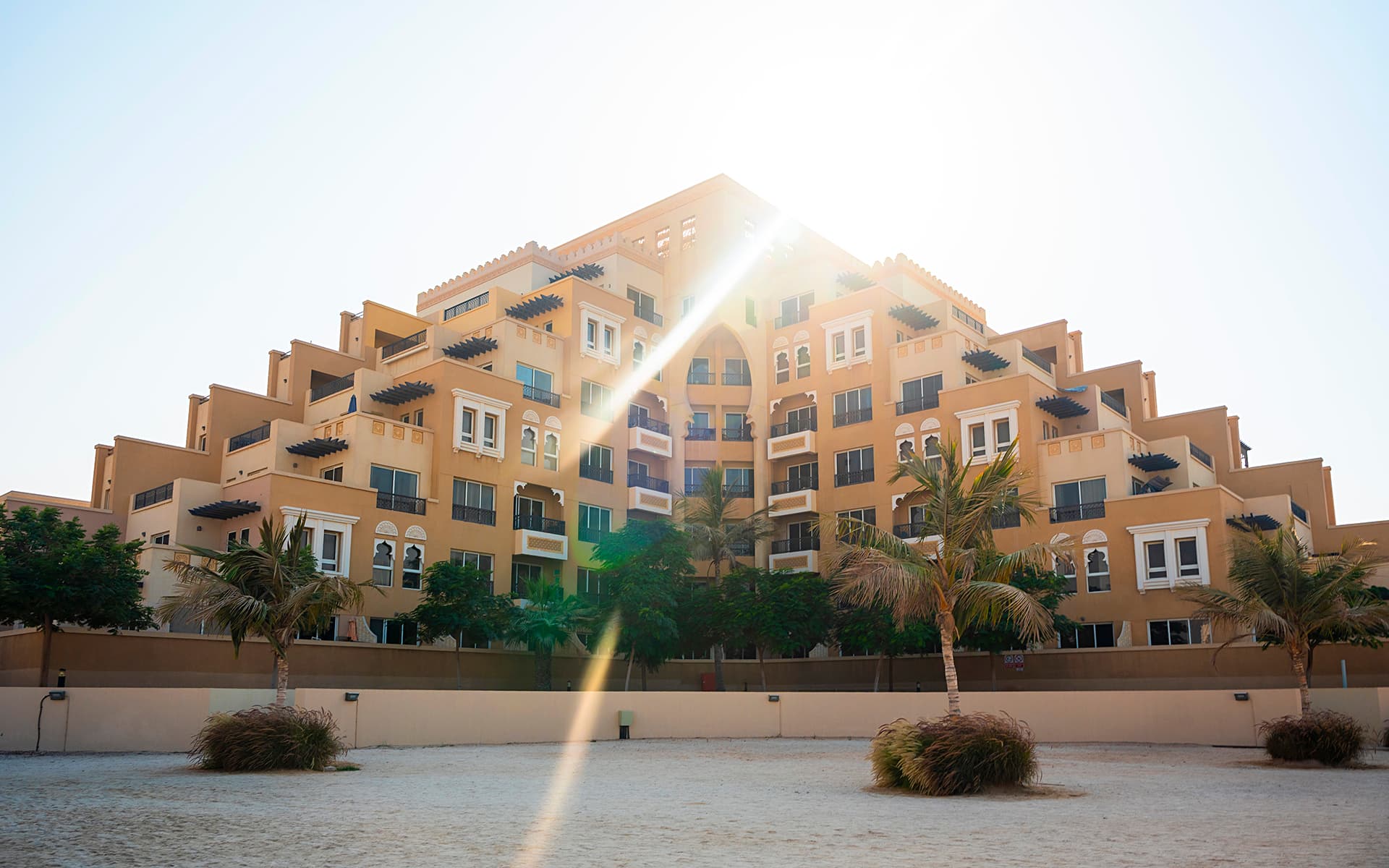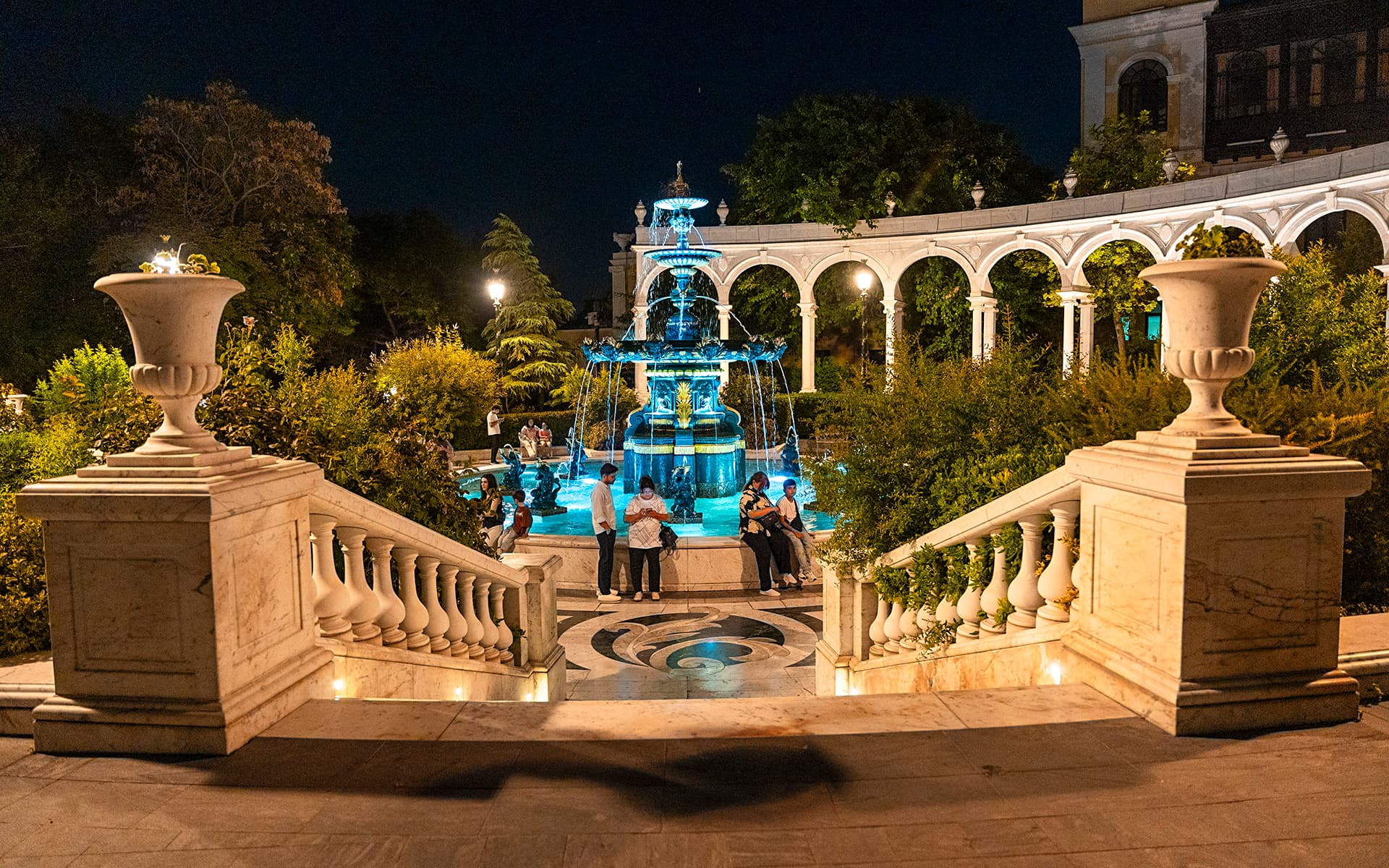
There is a moment that comes during every shoot when I stop looking through the viewfinder and simply stand in the space. No camera, no equipment, no agenda. Just presence. These moments of stillness have become as important to my work as the technical craft itself.
Learning to Be Present
Early in my career, I approached photography as pure technique. I would arrive at a location with a shot list, set up my equipment efficiently, capture the images, and move on. The work was competent but lacked something essential. It took years to understand what was missing.
A mentor once told me that the best photographs come not from looking at a space, but from being with it. At first, this seemed like abstract philosophy. But gradually I began to practice it. I would arrive early to shoots, walk through empty rooms without my camera, and simply observe. How does morning light move across a wall? What sounds does the space hold? How does it feel to sit in this chair, stand by this window, move through this corridor?
Architecture Has Memory
Spaces accumulate experience. A hotel lobby that has welcomed thousands of guests carries that collective memory in subtle ways. The slight wear on a marble floor near the entrance. The patina on brass door handles. The way furniture has been arranged and rearranged over time. These details tell stories that no amount of styling can replicate.
When I approach a space with presence rather than just purpose, I begin to sense these layers. I notice where people naturally pause, where light pools at certain hours, which views command attention. This understanding informs not just where I position my camera, but what the photograph needs to convey.
The technical aspects of photography can be taught in months. But developing sensitivity to a space, learning to read its character and intention, requires years of patient attention. It requires the willingness to be still and receptive rather than always active and productive.
The Pause Between Frames
During a shoot, after I capture what I believe is the defining image of a space, I have learned to pause. Instead of immediately reviewing the shot or moving to the next angle, I take a breath and look again at the actual space in front of me, not through the lens.
Often, this pause reveals something I had missed. A reflection I had not noticed. A compositional element that could be strengthened. A different quality of light that is emerging as the sun shifts. These discoveries come only when I create space for them, when I resist the urge to rush forward.
This practice has changed how I work. My shoots are slower now, more deliberate. I capture fewer images but each one carries more intention. Clients sometimes worry when they see me standing still, apparently doing nothing. But I have learned that this apparent inactivity is actually the most productive part of my process.
Stillness is not the absence of work but a different kind of work. It is the practice of receptivity, of allowing a space to reveal itself rather than imposing my ideas upon it. The photographs that result from this approach carry a quality that technique alone cannot achieve. They feel inhabited, authentic, true. They show not just what a space looks like, but what it feels like to be there.